Equipment That Passes Inspection First Try
Oilfield and Fleet Exterior Cleaning in Williston for trucks and equipment where mud buildup obscures DOT markings and creates maintenance access problems
North Dakota oilfield roads coat equipment in a layer of mud that hardens into a shell by the time trucks return to the yard, and grease accumulation on undercarriages hides fluid leaks until minor issues become major failures. Mr Braddens Services INC (MBS INC) specializes in cleaning oilfield equipment, trucks, trailers, and commercial fleets using pressure washing and steam cleaning designed for the contamination levels that come with heavy industrial use. Energy-sector businesses, trucking companies, and contractors in Williston rely on this service to maintain compliance, improve inspection outcomes, and extend equipment lifespan by removing substances that accelerate corrosion and wear.
Steam cleaning applies heat that liquefies road tar, crude oil residue, and caked grease so these materials rinse away instead of requiring scraping or chemical stripping. Pressure washing targets undercarriages, wheel wells, and frame components where mud packs into spaces that block visual inspections and trap moisture against metal surfaces.
Schedule an equipment assessment to determine turnaround time and confirm that cleaning methods will address specific contamination without damaging hydraulic lines or electrical components.
Why Demanding Industrial Conditions Require Specialized Cleaning
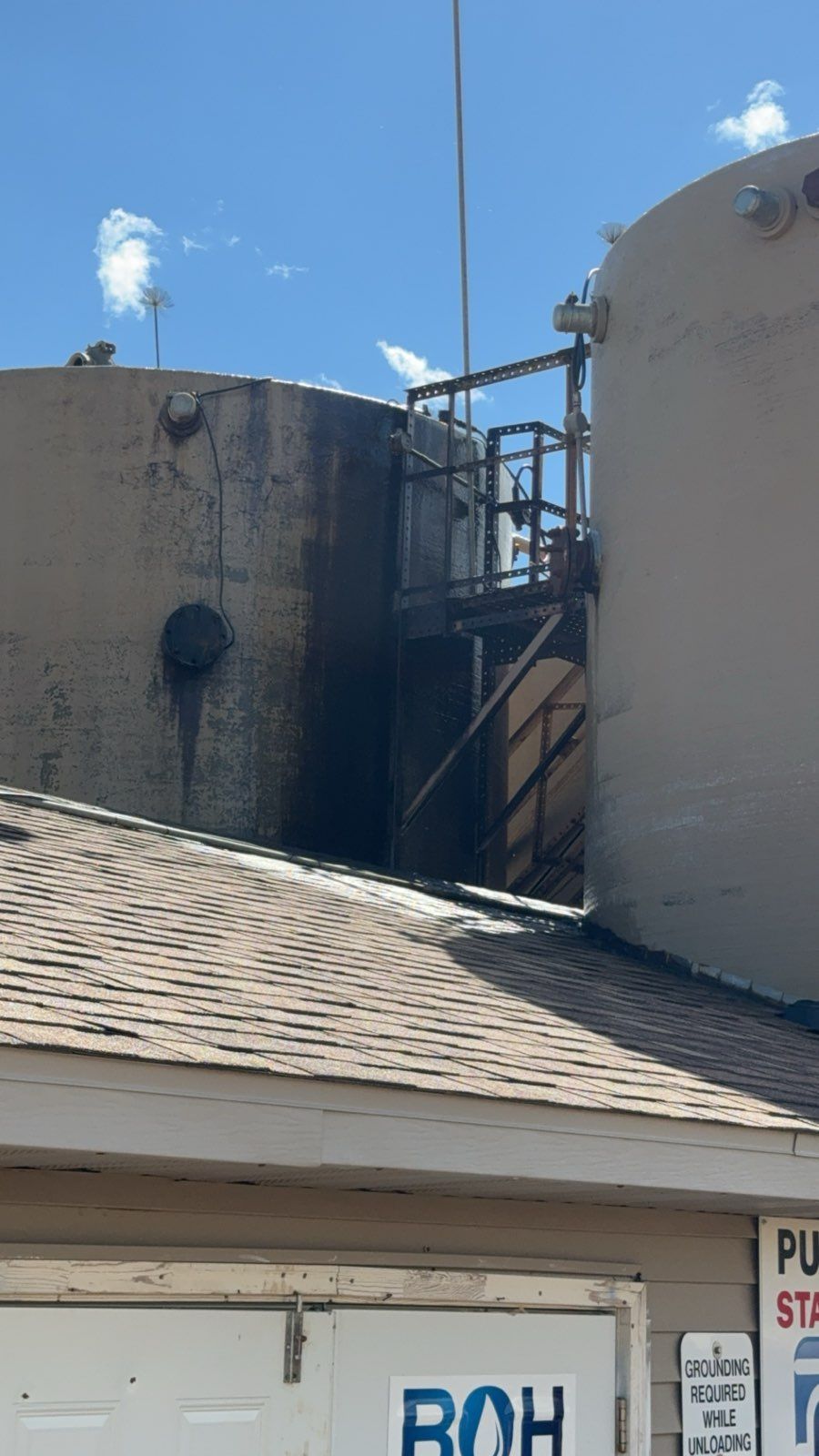
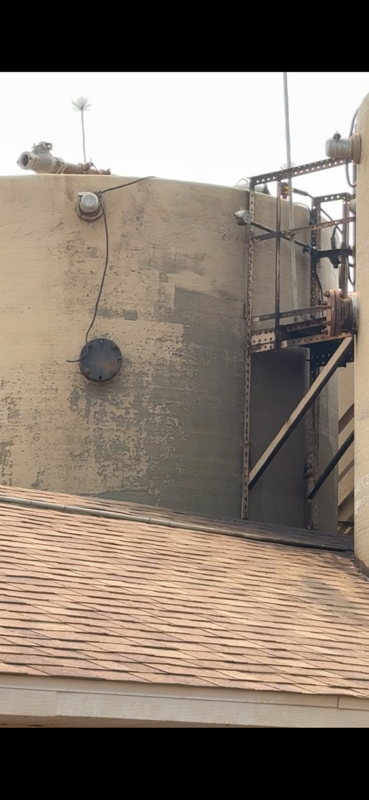
Oilfield equipment encounters contamination that standard truck washes can't handle—drilling mud contains abrasive particles that bond to surfaces, and petroleum products create films that repel cold water. Steam temperatures break molecular bonds in grease and oil, allowing complete removal rather than surface smearing, and adjustable pressure settings clean intricate components without dislodging protective coatings or forcing water into sealed bearing assemblies.
Once cleaning finishes, DOT lettering and safety markings become legible again so vehicles pass roadside inspections, and chassis components are visible enough for mechanics to identify leaks, cracks, or worn parts during routine checks. Equipment that arrives at job sites clean reflects operational standards that matter to site managers evaluating contractor reliability, and removing corrosive residues before storage prevents the accelerated rust formation that occurs when salt and chemicals stay in contact with metal through idle periods.
Fast turnaround reduces downtime for fleets operating on tight schedules, and ongoing maintenance programs keep vehicles inspection-ready without requiring emergency cleaning before audits. One-time service works for equipment being prepped for resale or transport, while regular scheduling prevents contamination from reaching levels that require extended cleaning sessions or specialized chemical treatments.
What Property Owners Usually Ask
Fleet managers and oilfield operators have specific concerns about cleaning effectiveness, equipment safety, and how service integrates with operational demands.
What types of contamination can be removed from oilfield trucks and equipment?
Steam cleaning and pressure washing address mud, grease, oil residue, road tar, drilling fluid, and road salt, with methods adjusted based on whether contamination is fresh or has hardened over multiple weeks of use.
How does cleaning support equipment inspections and compliance?
Removing buildup from undercarriages and component areas allows inspectors to visually confirm that parts are intact and functional, and clean DOT markings prevent citation for obscured identification during roadside checks.
Will high-pressure cleaning damage hydraulic lines or electrical systems?
Operators control spray direction and pressure to avoid forcing water into sealed components, and steam cleaning focuses on external surfaces rather than penetrating areas where moisture would cause operational problems.
When should fleet cleaning be scheduled to minimize downtime?
Service can occur during off-shift hours or maintenance windows, with turnaround times planned around operational schedules so vehicles return to service as quickly as possible after cleaning finishes.
What's the difference between cleaning a single truck and maintaining an entire fleet?
One-time jobs target specific contamination issues or prepare equipment for resale, while ongoing programs establish regular cleaning intervals that prevent buildup from reaching levels that require extended labor or specialized treatments to address.
What types of contamination can be removed from oilfield trucks and equipment?
Steam cleaning and pressure washing address mud, grease, oil residue, road tar, drilling fluid, and road salt, with methods adjusted based on whether contamination is fresh or has hardened over multiple weeks of use.
Mr Braddens Services INC (MBS INC) understands that oilfield operations can't afford extended equipment downtime, so cleaning schedules are built around your operational calendar and turnaround requirements. Contact the team to discuss fleet size, contamination levels, and preferred service intervals that keep equipment inspection-ready year-round.